You are here: Home/Behind the Books/ BEHIND THE BOOKS – ADVICE TO ANIMAL OWNERS IN WW2
BEHIND THE BOOKS – ADVICE TO ANIMAL OWNERS IN WW2
Advice to Animal Owners in WW2
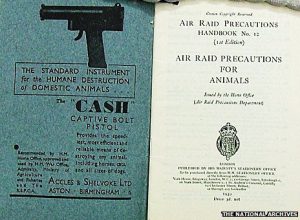
The National Air Raid Precautions Animals Committee was formed in the summer of 1939 to give clear advice in the event of war. The worry was that people would be tempted to share scarce food resources with their pets and that ‘to have a pet while the nation goes to war is an unaffordable luxury.’
It drafted a pamphlet – Advice to Animal Owners, in which it advised:
‘If at all possible, send or take your household animals into the country in advance of an emergency.’
And ended with:
‘If you cannot place them in the care of neighbours, it really is kindest to have them destroyed.’
Photo: Wikipedia- National Archives
This advice appeared in almost every newspaper and in announcements on the BBC. In panic and fear, and perhaps remembering the starving animals which roamed the streets in the Great War – and wanting to save their beloved pets any unnecessary suffering, owners flocked to veterinary surgeries and animal homes around the country. In a few short days, hundreds of thousands of cats and dogs were put to sleep. Animal charities advised owners not to be so hasty but it did not lessen the panic.
I can’t imagine how heartbreaking it must have been for so many. Pets are part of the family – to some people, they are their only family, and the wrench of having to say goodbye to a much-loved animal would have been unbearable. In Memoriam notices from devastated owners filled inches of newspaper columns as families mourned their loss. In hindsight, it might have been a needless sacrifice, but if you were going off to war and there was no one to care for your pet it might be the only practical option, and as shortages became part of daily life, it may well have come to a choice of feeding your family – or your cat or dog.
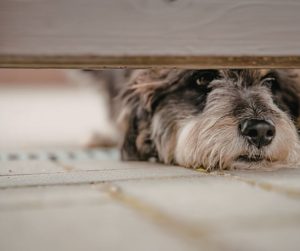
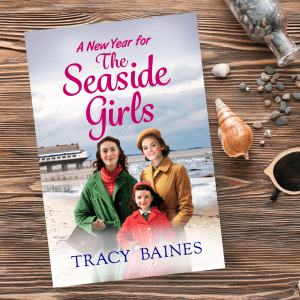
If you couldn’t bear to have your beloved family friend put to sleep, and couldn’t afford to feed them, you might have chosen to let them loose and hope they would somehow survive. That’s what I like to think happened to Mr Brown, a shaggy, unkempt dog of dubious heritage, with soulful brown eyes that make him hard to resist. He makes an appearance in A New Year for the Seaside Girls, and I’m sure he’s going to stick around for a while yet.
If you’d been faced with the same choice in 1939, what would you have done?
Cleethorpes – 1940
Years of struggle are over for Frances O’Leary when Johnny Randolph returns to make things right for her and their daughter.
But their good fortune is fraught with complications when sister Ruby Randolph decides to have her last hurrah, leaving a trail of devastation in her wake.
This website uses cookies to improve your experience. We'll assume you're ok with this, but you can opt-out if you wish. Cookie settingsACCEPT
Privacy & Cookies Policy
Privacy Overview
This website uses cookies to improve your experience while you navigate through the website. Out of these cookies, the cookies that are categorized as necessary are stored on your browser as they are essential for the working of basic functionalities of the website. We also use third-party cookies that help us analyze and understand how you use this website. These cookies will be stored in your browser only with your consent. You also have the option to opt-out of these cookies. But opting out of some of these cookies may have an effect on your browsing experience.
Necessary cookies are absolutely essential for the website to function properly. This category only includes cookies that ensures basic functionalities and security features of the website. These cookies do not store any personal information.
Any cookies that may not be particularly necessary for the website to function and is used specifically to collect user personal data via analytics, ads, other embedded contents are termed as non-necessary cookies. It is mandatory to procure user consent prior to running these cookies on your website.