
SAVING STORIES
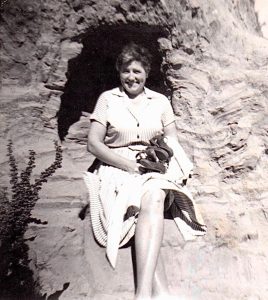
When I was a child, my nanny Lettie (my maternal grandmother) would tell me stories of life when she was a young woman, of the hardships, helping her mother look after the house and her six younger siblings, of the shock when news came that her elder brother, Alf, was lost at sea.
Alf Evans jnr. was skipper of the steam trawler Leicestershire, which sank with the loss of all hands off the Old Man of Hoy in the Orkneys in 1938 when he was just 25 years old. That was the greatest shock of her life, she told me – after that, each terrible event hurt a little less.
Only three years later, she was widowed when her husband was killed during a bombing raid on Lowestoft station. He was on his way back to the minesweeper base, HMS Europa. Lettie was 27; her two children were aged 4 and 6. She never married again.
Life was hard. ‘Someone should write all these things down,’ she said, ‘or they will be lost forever, and no one will know how difficult things were back then.’
I promised her I would write them down. And I did take notes, remembered the things she told me, asked her brothers for stories, my mother, my uncle John. But there was so much to tell – and I didn’t know where to start.
I eventually learned I should have just started anywhere. It can all be fixed later, once the words are down.
A LIFESAVING KIT
There are many ways to tell stories and so many ways to record them. Back then it would have been paper and pencil, a tape recorder. Now we have a myriad of easy ways to save these precious memories. We have video and sound at our fingertips. A mobile phone can record voices and images of exceptional quality. And we still have pen and paper – perhaps the easiest, but sometimes the most frustrating when the words don’t come.
Save the stories as best you can, in any way that you can – they can all be patched together and polished later – because one day you might say, as I have done so many times, ‘I wish I’d asked…’
Get chatting, get out those photographs, that box of odds and ends that you can’t bear to throw away. There will be recipes, theatre tickets, hotel serviettes, a gift label, cards and postcards. Each one of them starts a conversation that leads to a memory – and memories are stories. It’s as simple as that.
You don’t have to write a book to do it, just save a record of how things were.
These stories are important because they speak of hard times and how people- our parents, our grandparents and extended family- overcame them. And if they can overcome them, then we can too.
Stories help us connect – and stories give us hope. Don’t wait to be asked; start saving now.
The Dockyard Girls series was inspired by the stories my grandmother told me.
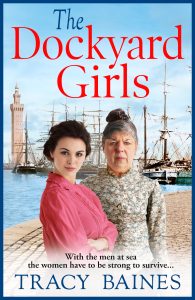
The start of a gritty, historical saga series set around the hardworking folk of Grimsby Dockyard from Tracy Baines.
Can you leave the past behind and embrace the future?
Great Grimsby, 1912
Newlywed fisherman Alec Hardy decides to make a fresh start with his young wife Letty and move to the thriving fishing port of Grimsby in search of a brighter future.
Letty is from farming stock and knows nothing of the hard life as a fisherman’s wife but is willing to embrace the challenge with Alec.
But where Alec goes, so does his widowed mother, Dorcas, and she has trouble coming to terms with taking second place in her son’s life.
With Alec at sea for weeks on end, the two women clash and Letty seeks escape from her bitter mother-in-law amongst the streets of Fish Dock Wharf.
Can Letty help them break free from the shadows of the past, or will she be bound by Dorcas’ insistence that they cling to the old ways?